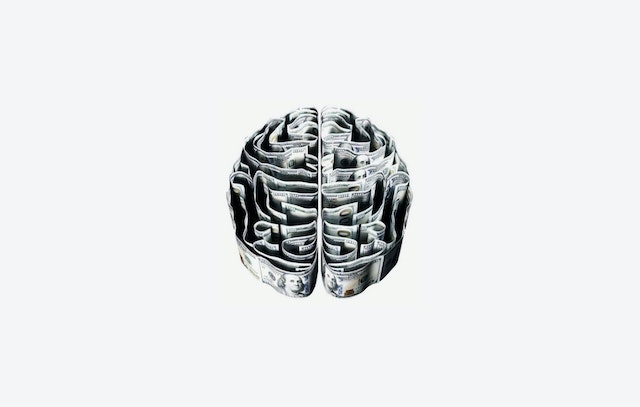
Do you have trouble forgetting things you want to remember? We take in so much information on a daily basis that it’s tough to keep track of everything. Sometimes the important things slip through the cracks after a short session on the phone. Luckily, the strength of your memory isn’t set in stone. You can do things to improve it, as well as how quickly you learn new information or skills. Follow these simple tips on how to improve your memory – and you will see a difference in a very short time.
1) Start a Memory Palace
Have you heard of a memory palace?
It’s basically storing information in a room of your imagination. Some people can remember thousands of bits of information using this technique. Start small. Begin by using your imagination when there’s something you want to remember. For example, if you’re reading an article or book, take time to actually picture what’s going on. Imagine the place, person, outfits, and anything else in a particular scenario. Doing this (instead of just quickly reading the text) will solidify your memory and enhance remembering the text.
When you get good at this, you can start building your palace. Use the link above to see how to do it.
2) How to Improve Your Memory – Use Motivation
When you’re motivated to learn, you will be more likely to remember what you’re learning, reading, etc. It’s much harder to remember information about a topic that you don’t care about. Try to motivate yourself as to why you’re learning and how it will help you in the future. When you ascribe purpose and meaning, you’ll be more motivated to learn. This will help you remember anything that you desire.
3) Don’t Cram
I’m sure you’ve heard that cramming isn’t the best way to study or remember information. If you used this technique in the past, I’m sure you will have trouble remember anything that you studied back then. Using spacing when learning or trying to remember something is key to long-lasting memory. Here is a research study the delves deeper. Essentially, if you study or learn in multiple sessions, this gives your brain a chance to “file” everything which enhances your memory. In contrast, when you cram, the information might stay there for a little while – even long enough to pass a test – but it will be gone soon after. The information won’t be available for retrieval, hence not stored in memory.
4) How to Improve Your Memory – Try to Relax
If you’re really stressed or upset, then your mind will be more focused on those unpleasant emotions. This will definitely negatively affect your ability to learn and remember information. If you’re trying to remember a specific piece of information, try to clear your mind. Once your stress and distractions are gone, you can begin the memory process. It’s harder than it sounds, so you might have to take an hour break and do whatever you like to do to relax. Exercise, go shopping, or anything that will get rid of your frustrations. You’ll know when you’re ready to get back to the task.
5) Keep Learning
Cognitive science and other fields are constantly researching how memory works. Continue to learn as much information as you can about effective memory. It’s a personal feature that’s so important, as it will enhance relationships, your job/money, confidence, and much more. The better your memory, the better all of these things will be. Work hard to improve it and keep learning. The advantages you see will astonish you!
You may also like: